Industrial occupiers in 2026 are choosing buildings for how well they function, not just for rent or specs, and that shift matters for any company searching for industrial space in Reno, Sparks and Northern Nevada. According to JLL, U.S. industrial leasing reached 175.7 million square feet in the second quarter, nearly 50% higher than a year ago and the strongest quarter in more than three years. National vacancy has dropped to 6.8%.
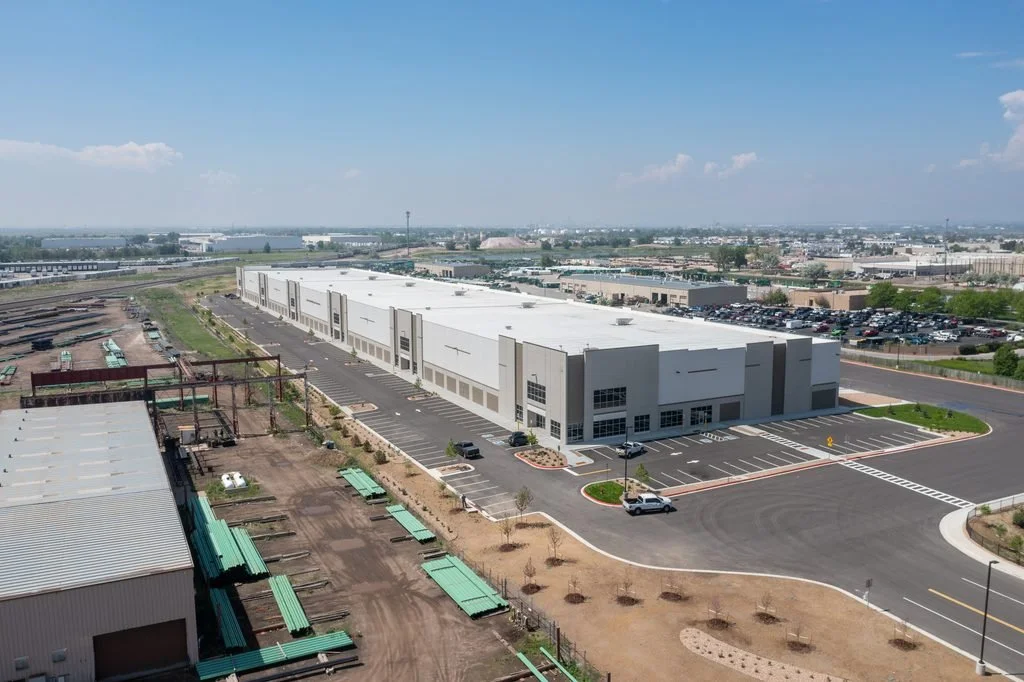
But a healthier market does not mean every building is in demand. The Society of Industrial and Office Realtors (SIOR) drew on my work on truck court design in Industrial Real Estate's Flight to Functionality, a look at what occupiers value in 2026. The theme is one I talk about with clients every week: occupiers are paying less attention to the spec sheet and more attention to whether a building actually works for their operation.
Here is what stood out to me, and what it means for companies looking at space in Northern Nevada.
Total Cost of Operations: Why Rent Is Only One Piece
Bronwyn Scrivens, SIOR, of JLL in Edmonton, put it simply: the market has shifted to total cost of operations. A building's design and location affect labor, transportation, inventory management and energy costs, and rent is just one component.
I see this constantly. A building with a lower rate can cost more if the loading configuration creates bottlenecks, the electrical service cannot support automation, or the location adds drive time for employees and carriers. A higher-priced building can earn its premium if it helps the operation run smoothly.
I wrote about this earlier this year in Rent Is Only Part of the Cost of an Industrial Location, looking at how I-80 construction, workforce access and carrier schedules can affect daily operations here.
Truck Courts and Yards Matter as Much as the Warehouse
Clear heights and automation get most of the attention. The land around the building often gets far less, and it can make or break how the facility performs.
I covered this in my September piece, Truck Courts, Docks and Doors: The Anatomy of a Functional Distribution Center. The short version: a modern warehouse can still be inefficient if trucks cannot maneuver, trailers have nowhere to stage, or cars and trucks share the same lanes. When I evaluate a site, I look for:
Truck court depth of roughly 130 to 180 feet so trailers can maneuver
Separate car and truck traffic to reduce congestion and improve safety
Room for additional trailer parking if the operation grows
A distribution center is only as functional as its truck courts, docks, and doors. In a world of port congestion and transportation delays, an inefficient yard is a cost the tenant pays every day.
For owners, this is an opportunity. Targeted site improvements can set a property apart more effectively than another interior upgrade.
Industrial Outdoor Storage (IOS) Is Becoming a Strategic Asset
Industrial outdoor storage, or IOS, used to be an afterthought: truck parking, equipment storage and contractor yards. Today it is increasingly part of how companies manage supply chain risk. A secured, paved yard lets a business buy and store materials in bulk, which creates flexibility when supply chains get unpredictable.
The examples in the article show how location and existing infrastructure drive value. In Charleston, tenant demand is concentrated among users looking for roughly two to four acres. In Murray, Utah, an investor bought a 5.78-acre site with about 28,000 square feet of industrial improvements and signed a tenant at the same time.
The common thread is that IOS value depends on the same things as any other industrial asset: location, functional infrastructure and the ability to meet a specific user's needs.
Flexibility Beyond the Property Line
Functionality also depends on how a building connects to the larger supply chain. Scrivens points to Canada, where a handful of corridors and logistics hubs connect enormous distances. Northern Nevada is a different geography, but the lesson carries over. A building has to work within the transportation network around it, not just inside its walls.
The buildings that hold their value will be the ones that can adapt to changing needs without costly reinvestment or relocation. That might mean more power and taller clear heights in one market, or more yard and outdoor storage in another.
What to Ask When Evaluating Industrial Space in Northern Nevada
If you are evaluating industrial space, I would start with these questions:
What is the total cost of operating from this address, not just the rent?
Can the yard handle our trucks, trailers and employee parking today and as we grow?
Does the electrical capacity support the equipment and automation we plan to add?
How do carriers, suppliers, vendors and our workforce actually reach this building at the times that matter?
Will this building still work if our operation changes in five years?
The best industrial building is not always the newest or the one with the most dock doors. It is the one that works as a true partner to the business inside it.
Miller Industrial Properties represents industrial tenants and buyers throughout Reno, Sparks and Northern Nevada. If you are starting a search or comparing locations, contact Beki Dobson, SIOR, to talk through your requirements.
This post was inspired by SIOR’s article Industrial Real Estate’s Flight to Functionality: What Occupiers Value in 2026, published November 3, 2026 on the SIOR Pulse Blog.